Here at Yiangou Architects, we believe that every project we undertake is an opportunity to make meaningful positive impacts on the environment. Our approach is firmly rooted in the principles of sustainability, enhancement of biodiversity and the promotion of the health and well-being of our clients and the communities that interact with our buildings. These elements are not merely add-ons but are integral to our design process and philosophy throughout the course of a project.
By prioritising sustainability, we strive to minimise the carbon and ecological footprint of our buildings. This involves careful consideration of material selection, energy efficient detailing, and the overall life cycle of a project. We seek to incorporate renewable resources and innovative technologies that reduce dependence on non-renewable energy sources, thereby contributing to a healthier planet.
We are dedicated to using materials and construction methods that are environmentally responsible and resource efficient. We believe that our design should be resilient and adaptable, ensuring that they can endure and thrive in the face of changing environmental conditions. By considering the long-term implications of our work, we contribute to a more sustainable future not just for our clients, but for the broader public and generations to come.
Enhancing natural biodiversity is another cornerstone of our design approach. We actively seek ways to integrate elements that enhance the local wildlife habitat surrounding our projects. This not only contributes to the ecological health of the area but also enriches the experience of those who inhabit and visit our spaces. The synergy between architecture and nature encourages a deeper appreciation for local ecosystems, allowing individuals to connect with their surroundings in a meaningful way.
We are committed to creating spaces that harmonise with the environment, enhance biodiversity, and prioritise the health and well-being. Through our holistic approach, we aim to inspire others in the industry to advocate for a future where sustainability is at the forefront of construction.
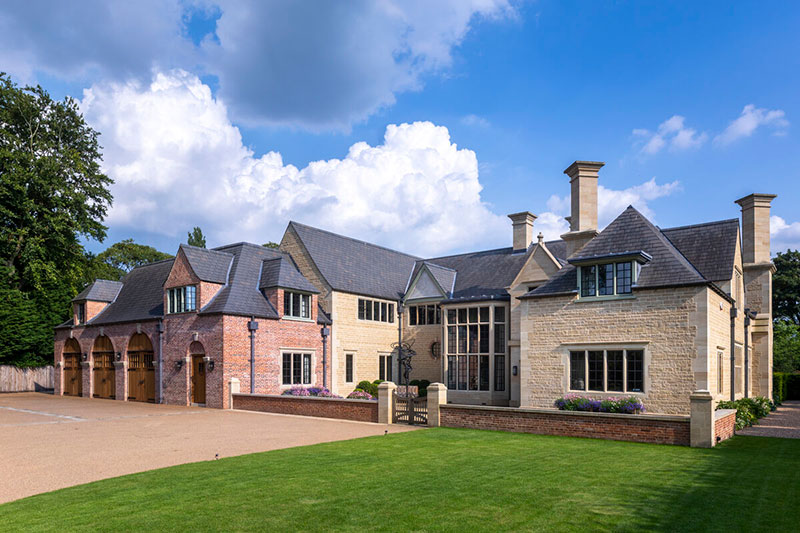
We value the importance and preservation of our historic built environment. Retaining existing buildings instead of building new is inherently sustainable, and we look to upgrade the heritage assets we have the privilege to work on, by integrating project-specific and sensitive adaptations which will ensure the buildings have a place for future generations.
This philosophy follows through to our new build projects, where we prioritise longevity by aiming to create buildings that not only physically endure the test of time, but are of a quality and beauty that future generations will want to cherish and preserve, thereby maximising the return on the carbon cost of construction.
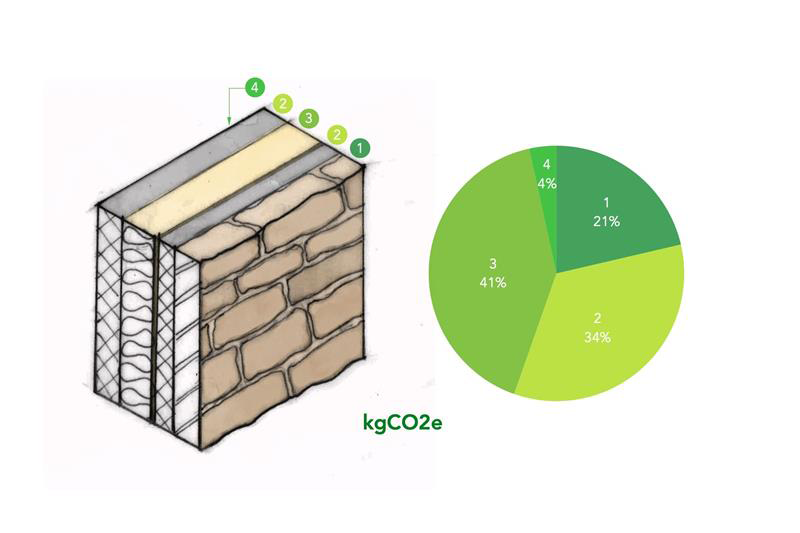
Our approach begins with holistic, project and site-specific analysis. We adopt a fabric-first strategy to achieve high performing buildings, through considered material choices, robust technical detailing and wherever available our material selection includes low carbon alternatives.
We use industry recognised carbon calculation tools to interrogate the embodied carbon content of the make up of our buildings and fine-tune this to strike the balance between the upfront carbon cost and the future robustness and thermal performance of each building element. We look to specify local materials, worked by local craftspeople which not only enhances a sense of local character and place but also minimise the carbon cost of transportation.
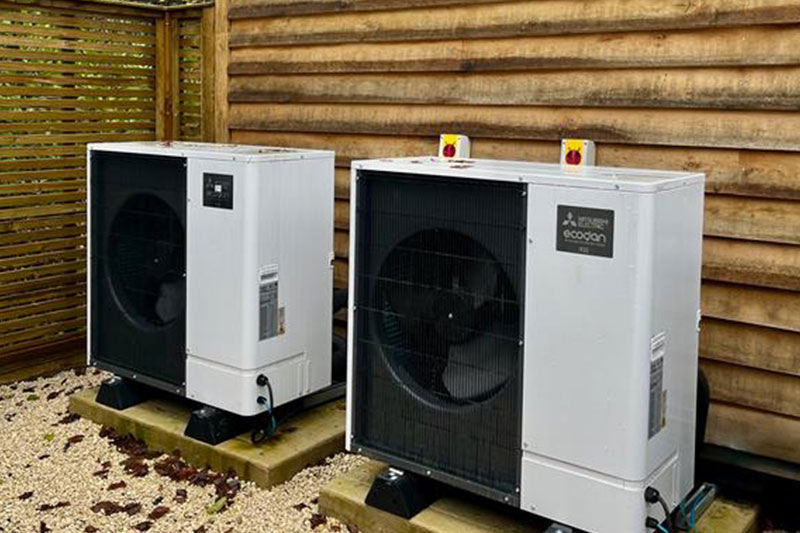
We consider the environmental impacts of our projects throughout their life span, not just during the design and construction phases. Working alongside energy consultants we are actively promoting to decrease dependency on fossil fuels by examining the potential for energy generation across our project sites. Where suitable we also encourage a shift from a car-centric environment by providing the necessary facilities to encourage sustainable transport choices by the end user.
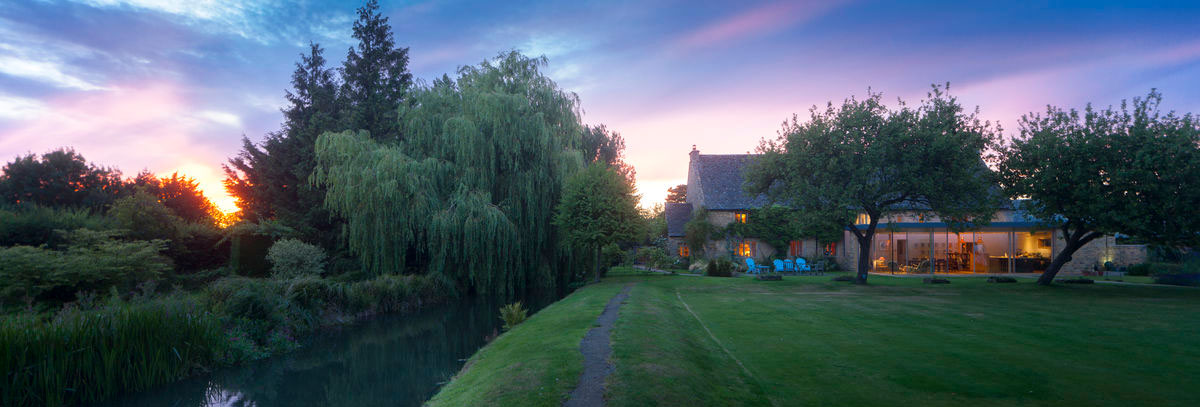
We work closely with specialist landscape consultants to uphold and enhance the biodiversity value of the sites we work on, which includes exploring water management potentials. This not only benefits project but has positive impacts on the wider surrounding environment.
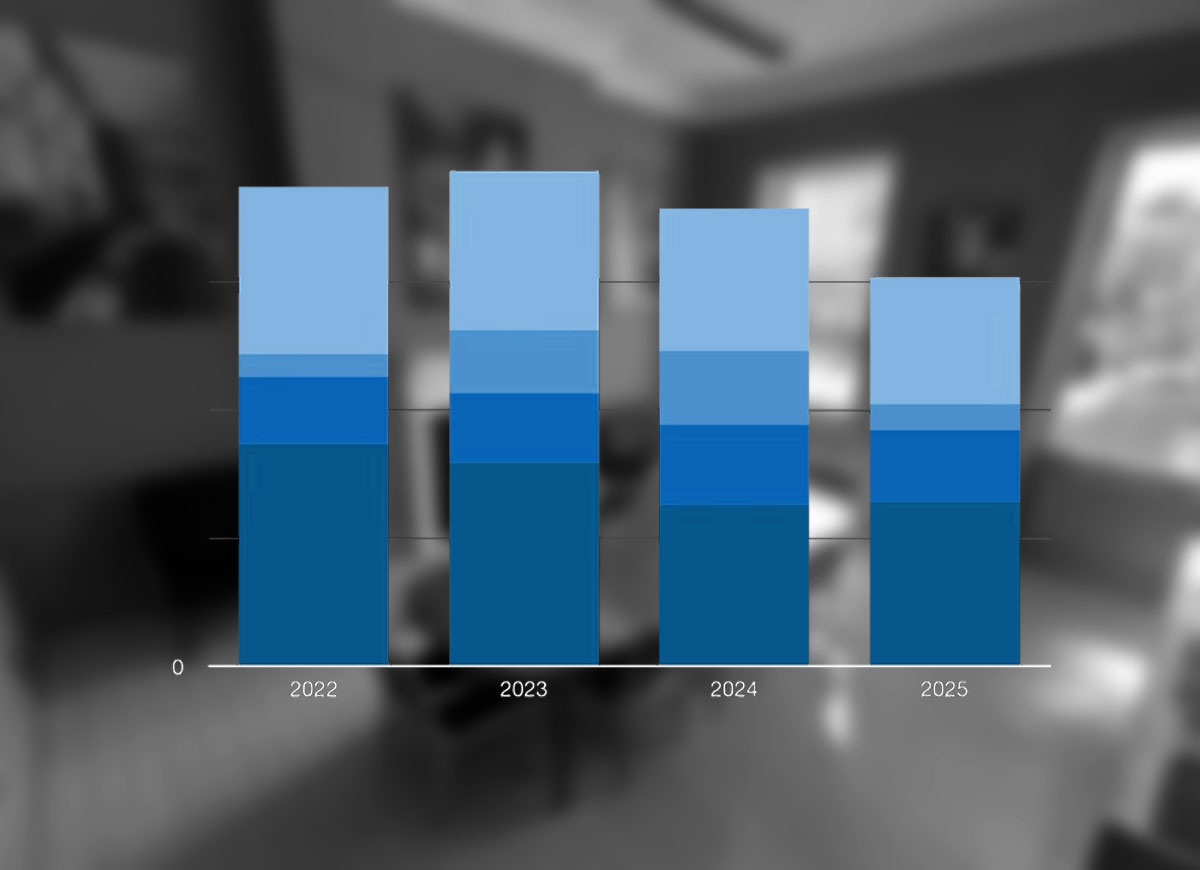
When compared to the resource intensity of construction, the environmental impact of the architectural design process itself is minimal. This doesn't stop our team from expecting the practice to follow the same principles as we follow on our projects.
We undertake annual reviews of the studio's carbon impact. We aren't carbon neutral yet, but we do compare well against other business of our size and our per-capita footprint of c. 1.6T CO2e (including business travel and commuting) is coming down. We continue to look for ways to improve further and have passionate members of the Green Committee regularly bringing ideas forward.
When we do print for internal use, we follow rigorous recycling policies. These have been extended to include waste materials from 3D printing which are sent away for re-manufacture. We are chasing these marginal gains and making sustainability a factor in practice wide decisions.
We are conscious that cloud services can come with significant carbon overhead which is one of the factors in our primarily "on premises" approach to IT services, and in partnering with providers that offer best in class operational carbon measurement and mitigation. We continue to give preference to carbon neutral and B-Corp suppliers within our procurement process, and like to work with businesses that share our ethos.
Whilst we always work closely with our clients to set sustainable design priorities, weighing against costs and other factors, there are occasions where the planning process will play a significant role.
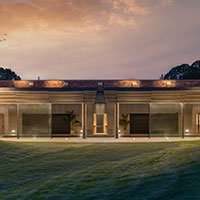
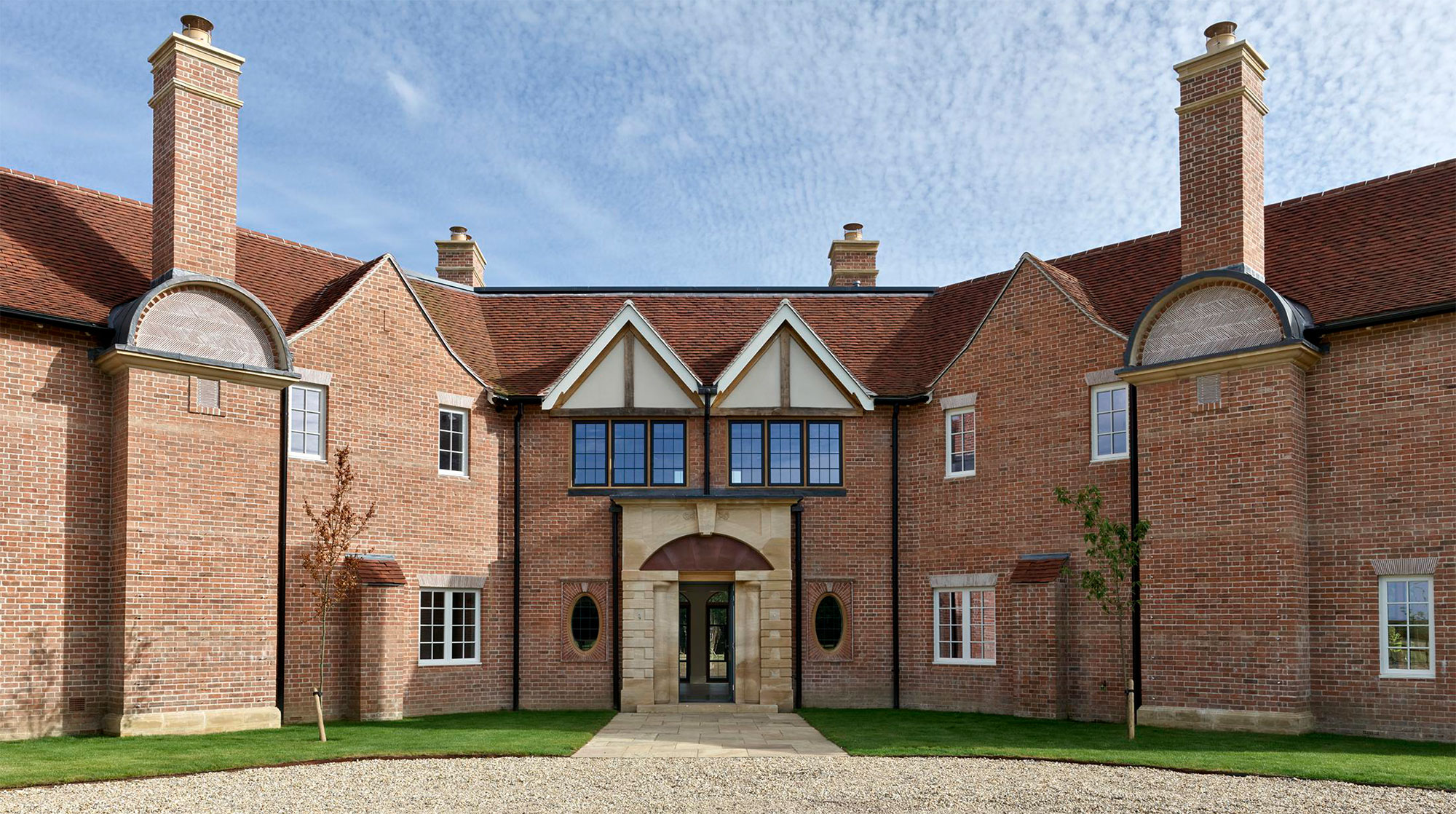
For example, these estate workers' cottages would not have received planning approval had it not have been for environmental modelling that demonstrated their long term energy consumption and carbon impact.
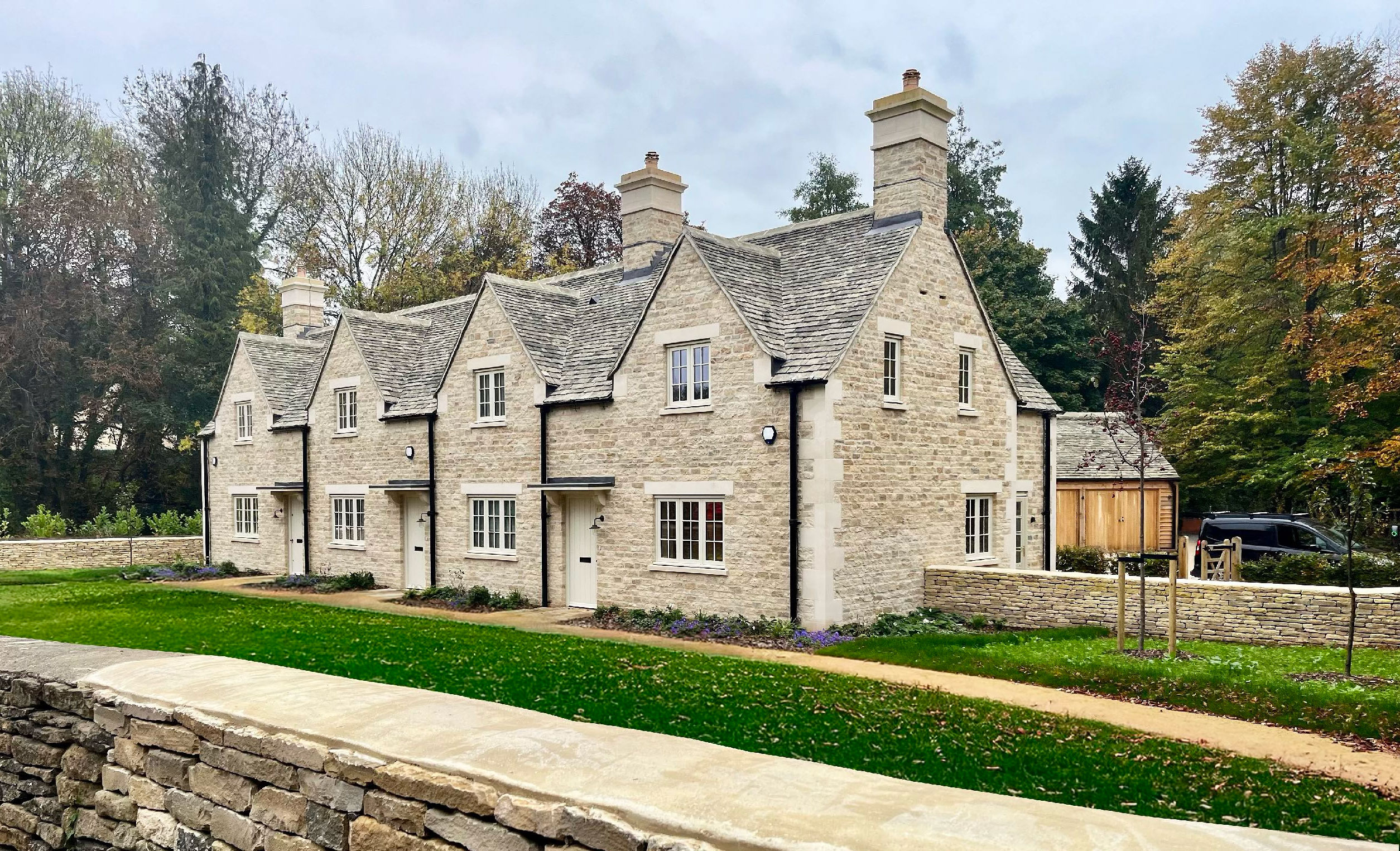
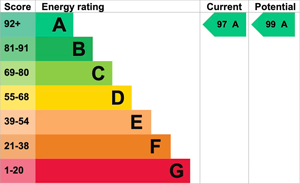
Following physical testing, these cottages are carbon neutral in operation
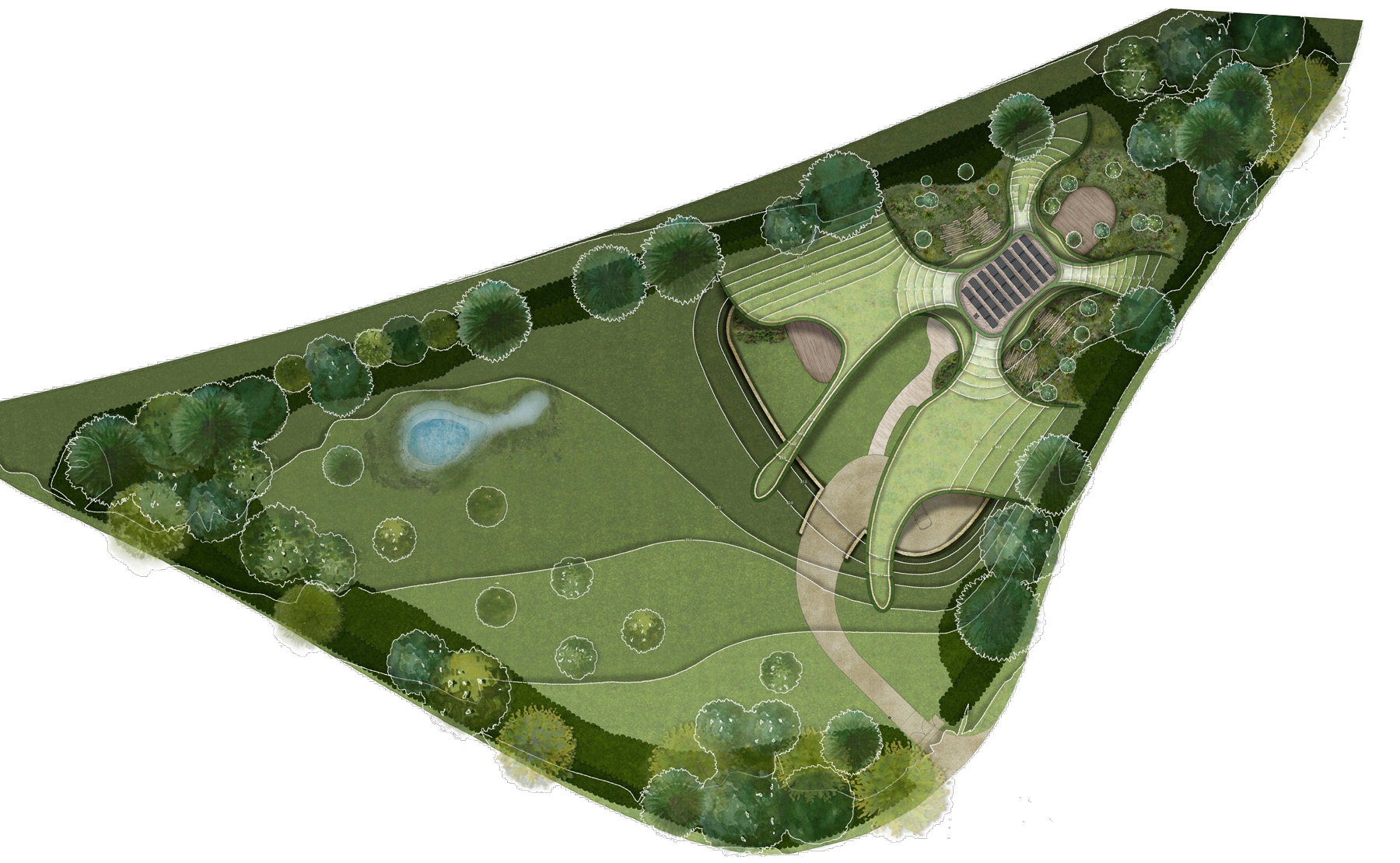
There are other situations where the practice makes use of paragraph 80 of the National Planning Policy Framework. This allows for new dwellings in open countryside under very specific circumstances.
These designs have to meet the legal definition of "truly outstanding" and positively impact the immediate surroundings. Bringing in environmental consultants early in these projects is essential, and we can help assemble and manage the team of professionals that an application like this requires.
As a Chartered Practice, we are committed to the goals of the Royal Institute of British Architect's programme of carbon reduction within projects. The aim of the scheme is measure and improve embodied carbon, operational energy and potable water use.
The practice is a signatory to the Architects Declare project, highlighting the loss of biodiversity and the changing climate and its risks to the built environment.
We have joined more than 1400 practices in stating our commitment to push for systemic changes to how buildings are planned, designed and built and to strive beyond net zero towards regenerative architecture.
We have been members of The Green Register since 2013, demonstrating a long term commitment to environmental matters and best practice, especially in the context of conservation projects. Ensuring that our historic properties are managed and renewed for future generations is a critical part of creating a truly sustainable future.
We run a longstanding Environmental Committee, formed of individuals from across the practice, who are passionate about research into emerging technologies, products and systems. The dedication and inquisitive nature of this group contributes to the continued sustainability improvements across all our projects which in turn is conducive to our ongoing optimism and commitment to combat climate change.
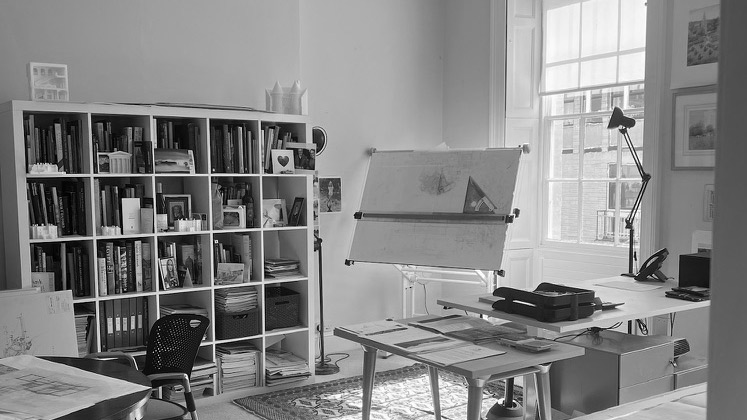
As a member of our Architectural team, you will get the opportunity to work with other talented designers on some of the finest residential schemes in the country.
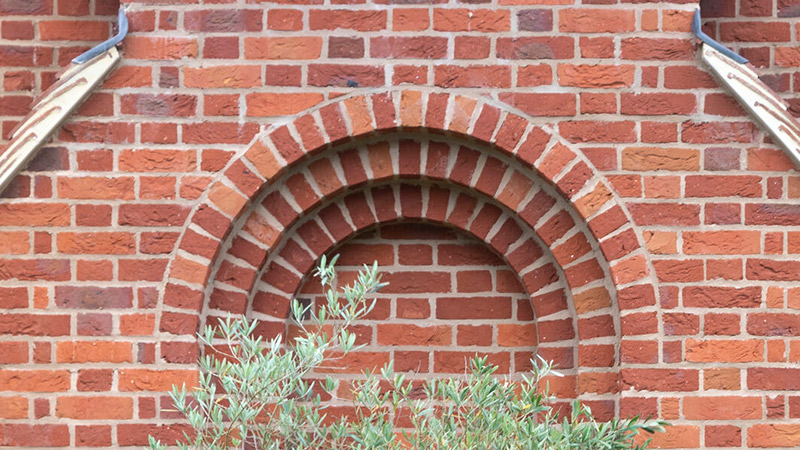
We take a particularly high number of our projects on site, and run jobs in a way where our clients see the great benefit of this holistic service.
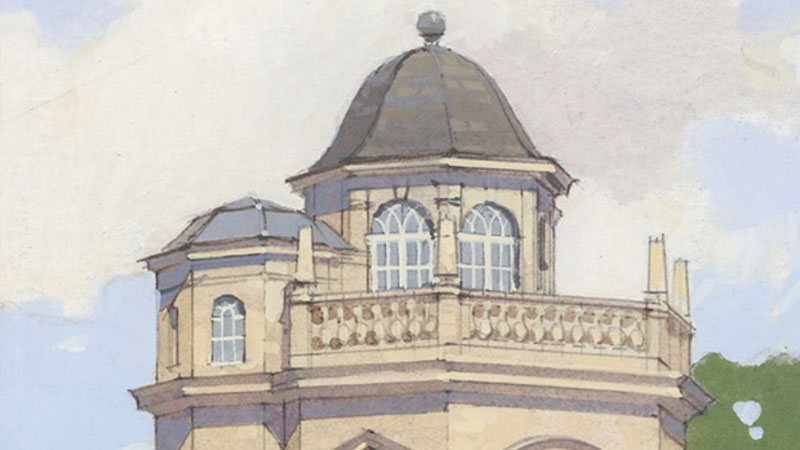
Our classical buildings are part of a tradition here but are also evolutionary. It is often remarked that they have elegance and approachability, as well as some wit, as their hallmark.

01285 888 150
Copyright Yiangou Architects